
Why Train Your Shoulders?
Well-defined, broad shoulders are a fitness goal for many people and a great reason to hit the gym. But training your shoulders offers many more benefits than just aesthetics!
1. Better Posture
Strong shoulders help you stand taller and support your upper back, improving your overall posture.
2. More Strength & Stability
Your shoulders are involved in almost every upper-body movement, from lifting and pushing to pulling. Strong shoulders provide better control, balance, and overall performance.
3. Lower Risk of Injury
Strengthening your shoulder muscles—especially the rotator cuff—helps reduce the risk of overuse injuries, particularly if you train regularly or compete in Fitness Races.
4. Improved Mobility
Strong, flexible shoulders increase your range of motion, making everyday movements and workouts easier.
5. Aesthetic Benefits
Broad, well-developed shoulders create the classic V-shaped physique that many athletes strive for.
Tips for Training Your Shoulders
Want to start training your shoulders or improve your current routine? We’ve gathered some practical tips so you can effectively train your shoulders at the gym or even at home (all you need is a pair of dumbbells!).
Don’t forget: Focus on balancing the front, side, and rear deltoids to build strong, healthy shoulders and help prevent injuries.
Train Your Front Delts
The front of your shoulders, also known as the anterior deltoids, is primarily trained with movements where you push or raise your arms forward or overhead. Since the front delts are already heavily involved in chest exercises, there’s usually no need to train them excessively. Here are some of the best exercises:
1. Front Raises
Hold a dumbbell in each hand with your arms straight at your sides. Slowly raise the weights straight in front of you until they reach shoulder height, then lower them under control. This exercise effectively isolates the front delts.
2. Overhead Press / Shoulder Press
Sit or stand with a straight back and press a barbell or dumbbells from shoulder height overhead until your arms are fully extended. This is one of the best compound exercises for building strong, rounded shoulders, targeting both the front and side delts.
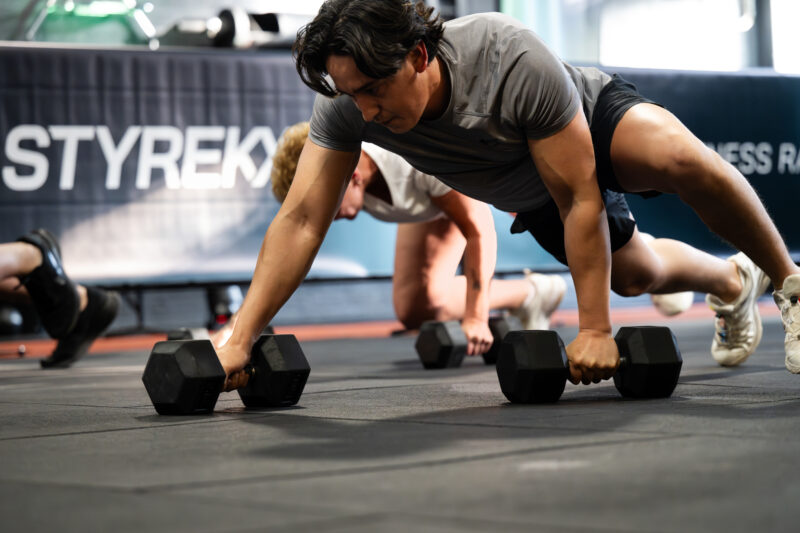
3. Push-Ups or Bench Press
Although these are primarily chest exercises, they heavily recruit the front delts, especially when using a narrow grip or performing incline bench presses.
4. Arnold Press
Start with dumbbells in front of your chest, palms facing you. As you press the weights overhead, rotate your palms outward. This movement effectively trains both the front and middle delts.
5. Cable Front Raise
Using a cable machine keeps constant tension on the muscle throughout the movement. Raise the handle straight in front of you to shoulder height before lowering it slowly.
Train Your Side Delts
The side of your shoulders, also known as the lateral deltoids, is trained with exercises where you lift your arms out to the sides. These muscles create wider, rounder shoulders and contribute to upper-body strength and stability. Because they’re less involved in chest and back exercises, it’s worth giving them some extra attention.
1. Lateral Raises (Side Raises)
Hold a dumbbell in each hand with a slight bend in your elbows. Raise your arms out to shoulder height before lowering them slowly. You can also perform this exercise using cables or resistance bands for constant tension.
2. Upright Row
Hold a barbell or cable with a narrow grip and pull the weight up toward your upper chest while keeping your elbows pointed outward. Keep your shoulders relaxed and use controlled movements.
3. Single-Arm Cable Lateral Raise
Perform the movement one arm at a time to maximize focus and control, helping isolate the side delts more effectively.
Train Your Rear Delts
The back of your shoulders, also known as the posterior deltoids, is trained with movements where your arms move backward or open outward. Strong rear delts improve posture, shoulder balance, and help prevent injuries. Since they’re often neglected, it’s important to train them intentionally.
1. Reverse Fly (Rear Delt Fly)
Lean slightly forward while holding a dumbbell in each hand. Raise your arms out to the sides until they reach shoulder height, then lower them under control. This exercise can also be performed seated or using cables.
2. Face Pulls
Using a cable machine with a rope attachment, pull the rope toward your face with your elbows high and pointed outward. This exercise strengthens both the rear delts and upper back while improving posture.
3. Bent-Over Lateral Raises
Similar to the reverse fly, but performed with a greater bend at the hips. Keep your back straight and focus on moving from the shoulders rather than your arms.
4. Rear Delt Row
Hold a barbell or dumbbells while leaning slightly forward. Pull the weight toward your chest with your elbows flared outward. Use controlled movements and avoid excessive weight to properly target the rear delts.
Build Balanced Shoulders
Many people overtrain the front delts while neglecting the rear delts. Aim to perform roughly the same number of sets each week for your front, side, and rear shoulders—for example, 3–4 sets per area. Include exercises like reverse flies and face pulls to ensure balanced shoulder development and reduce your risk of injury.
Strong Shoulders for STYREKX
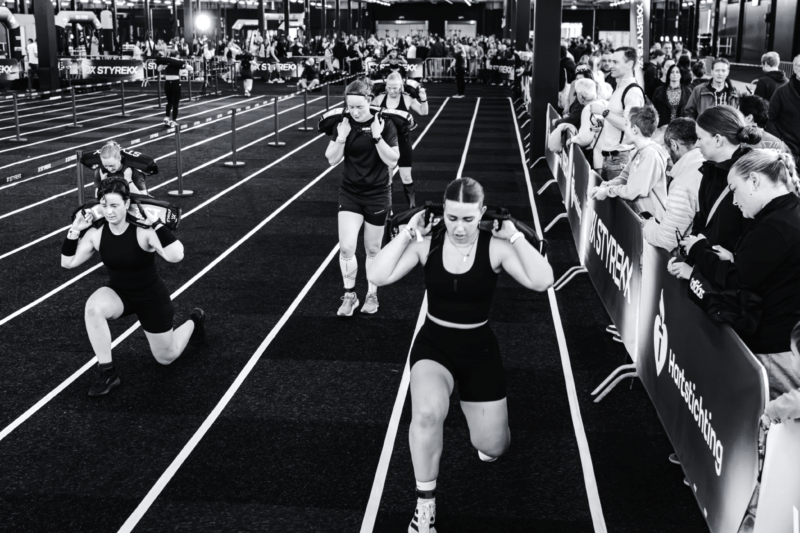
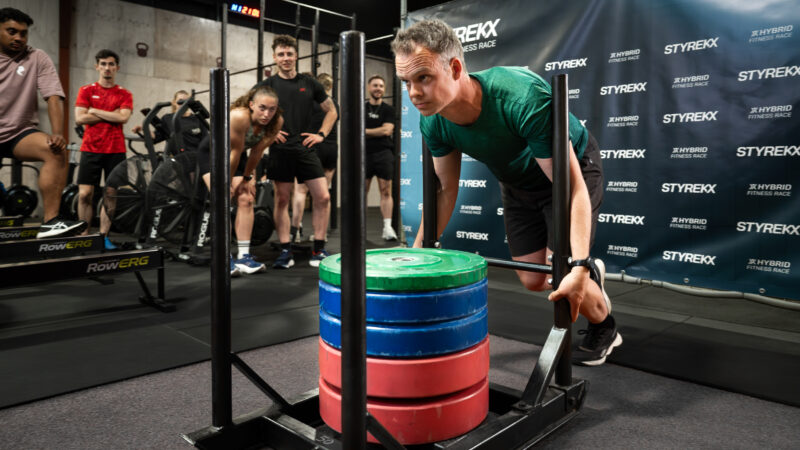
Strong shoulders are a major advantage during a STYREKX Fitness Race. Many stations, including the Load Crawl, Farmer’s Carry, and StrengthErg, demand shoulder strength and stability.
Want to put your shoulders, grip strength, forearms, endurance, mental toughness, and core strength to the test? Get your ticket today and experience the ultimate STYREKX Fitness Race!