
Benefits of Training Your Back Muscles
We all know that exercise is good for you. But specifically training your back muscles offers even more benefits!
Here are the five biggest benefits of a strong back:
- Better posture: Strong back muscles help you stand taller with your shoulders back, giving you a healthier and more confident posture.
- Lower risk of back pain: Strengthening your back supports your spine and helps prevent pain and tension in your back and neck.
- Improved stability: A strong back keeps your core stable, making it easier to stay balanced during everyday activities.
- More strength in daily movements: Strong back muscles make lifting, carrying, and pushing much easier.
- Better overall body coordination: Your back works together with your core, shoulders, and legs, allowing your body to move more efficiently and smoothly.
Benefits of a Strong Back During a Fitness Race
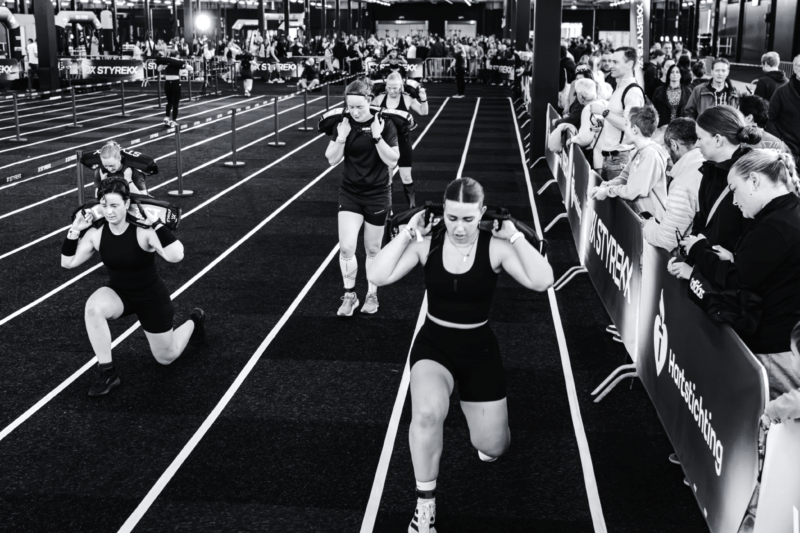
Besides helping you in everyday life, a strong back can make a huge difference during a Fitness Race!
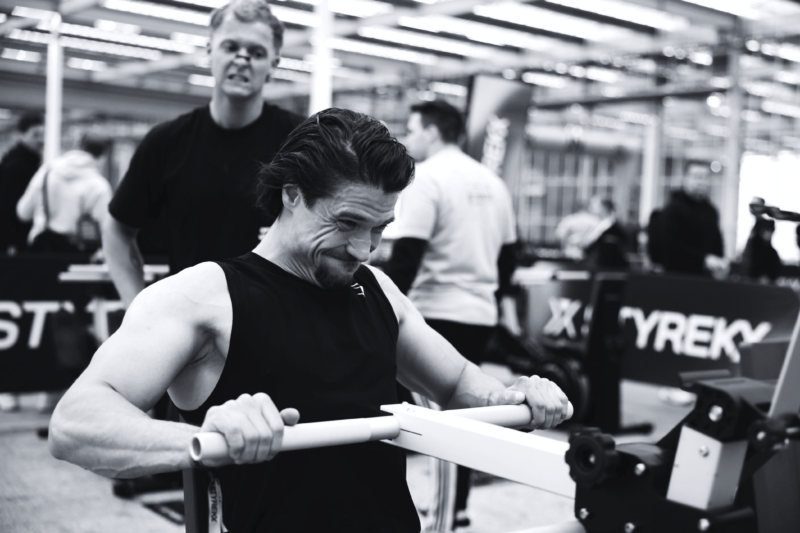
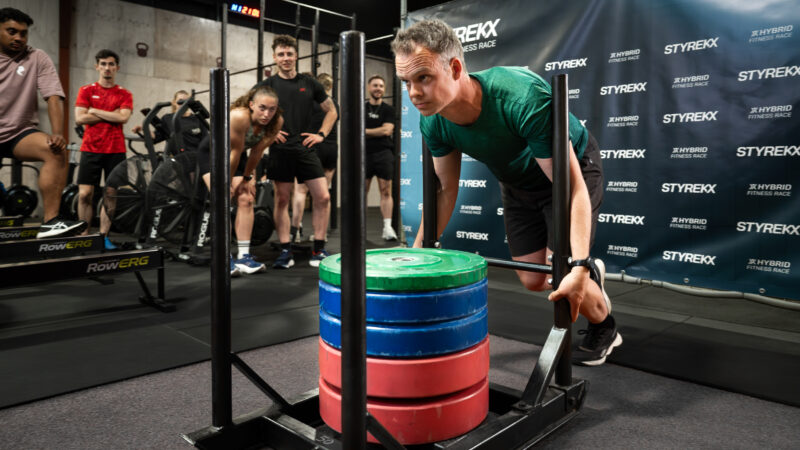
- More power at the workout stations: Whether you’re aiming to crush the RowErg or complete the Sled Pull as fast as possible, your back provides the strength needed to perform efficiently.
- Better posture throughout the race: A strong back helps you stay upright and stable while running and during stations like the SkiErg, RowErg, Sled Pull, and Farmers Carry, allowing you to move more efficiently.
- Less fatigue: Well-developed back muscles take some of the workload away from your arms and shoulders, helping you maintain your strength throughout the race.
- Reduced risk of injury: A strong back supports your spine and improves stability during demanding exercises, distributing the load more evenly across your body.
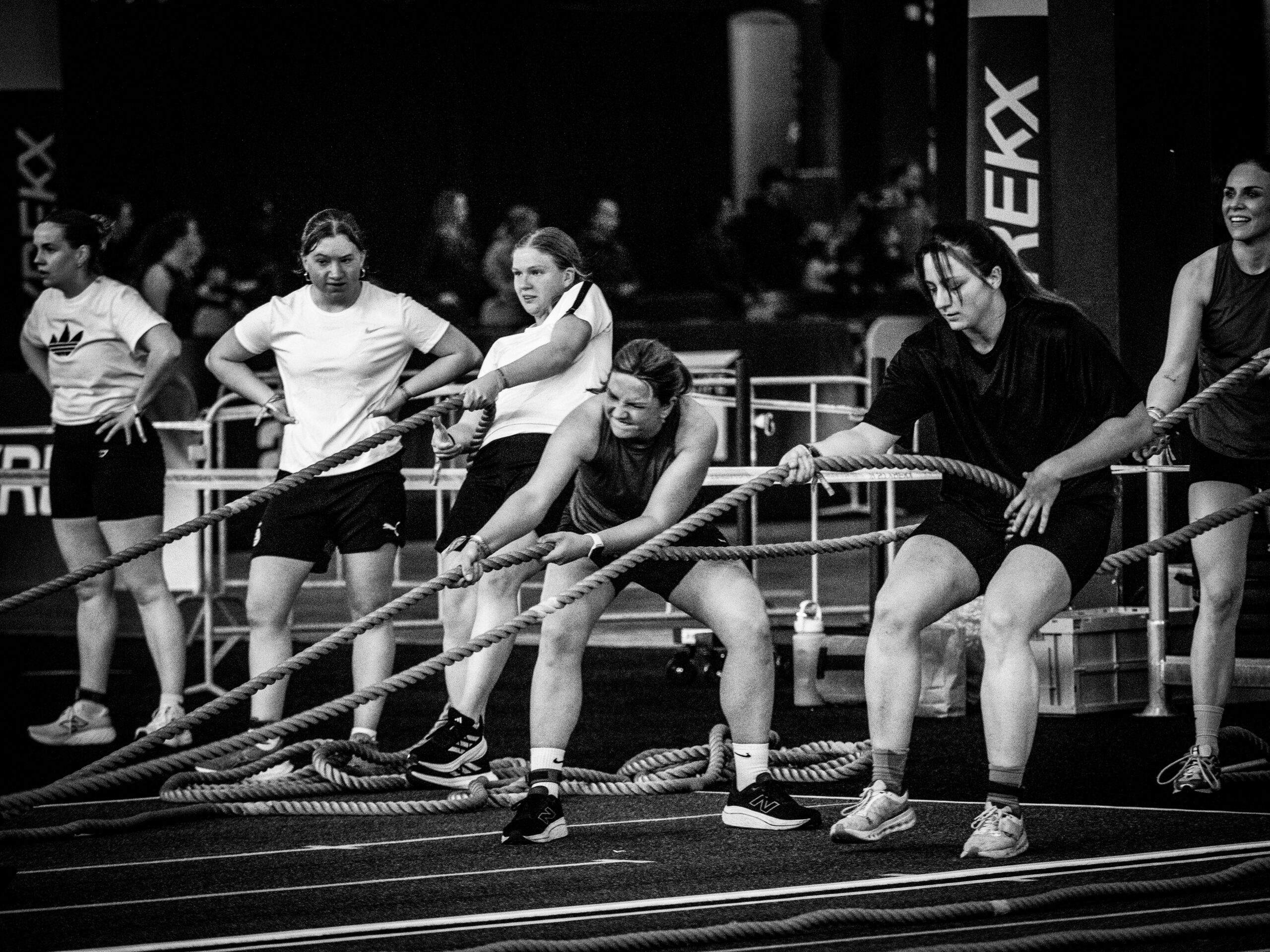
- More efficient movement: From the Sled Pull to the Load Crawl, strong back muscles help you move with greater power and control. This means you’ll waste less energy and maintain a faster pace for longer.
Exercises to Strengthen Your Back
Ready to start training your back? Here are a few effective exercises to help you build strength! We also recommend functional training, which focuses on movements you use both in everyday life and during sports.
1. Pull-ups / Chin-ups
Learning pull-ups is excellent for training your upper back and lats. They help you get stronger for pulling and climbing. Start with a resistance band or negative reps if full pull-ups are too difficult. Focus on controlled movements and a full stretch of your arms.
2. Deadlifts
Deadlifts strengthen the entire backside of your body, including your lower back, hamstrings, and glutes. They are perfect for power and stability, but proper technique is key to avoiding injury. Keep your back straight and engage your core throughout the movement.
3. Inverted Rows
Inverted rows are a great alternative to pull-ups and work your upper back using your own bodyweight. The flatter your body, the harder the exercise. They improve strength and posture and are ideal for beginners who can’t yet do full pull-ups.
4. Face Pulls
Face pulls target your shoulders and upper back, contributing to better posture. Pull a resistance band or cable towards your face, keep your elbows high, and move in a controlled manner. This exercise prevents your shoulders from rolling forward, especially if you sit a lot.
5. Supermans
Supermans are ideal for the lower back and help stabilize your core. Lie flat on your stomach and slowly lift your arms and legs, hold briefly, then lower them in a controlled manner. This strengthens your back muscles without heavy weights.
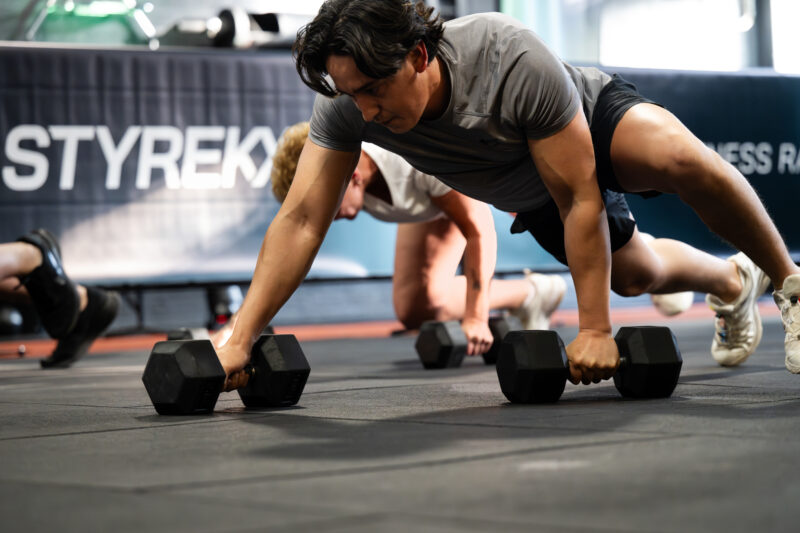
6. Plank with Row
This exercise combines core stability with back strength. In a plank position, alternately pull one arm to your side as if rowing. Keep your hips steady and engage your core; this improves both strength and balance.
Tips for Training Your Back
Now that you know why back training is so important and which exercises are most effective, here are a few extra tips to help you get the most out of your workouts.
- Maintain good posture: Keep your back straight while exercising, sitting, and lifting. Small adjustments can make a big difference over time.
- Prioritize rest and recovery: Give your back muscles enough time to recover between workouts. Overtraining can increase your risk of injury.
- Train your core: Strong abdominal muscles support your back and improve overall stability.
- Vary your exercises: Include movements that target your upper back, lower back, and shoulders to build balanced strength.
- Progress gradually: Increase the weight, repetitions, and intensity over time to build strength safely and avoid injuries.
- Stretch and improve mobility: Combine strength training with stretching and mobility work to maintain flexibility and a full range of motion.
- Focus on your breathing: Brace your core and breathe in a controlled manner during each exercise to better support your back and reduce unnecessary strain.
Train for a STYREKX Fitness Race
If you’re preparing for STYREKX, don’t forget to train your other muscle groups and your cardiovascular fitness as well. That’s why we’ve created a comprehensive Fitness Race Training Plan to help you arrive at the start line fully prepared.
Get your ticket today and start training! 💪